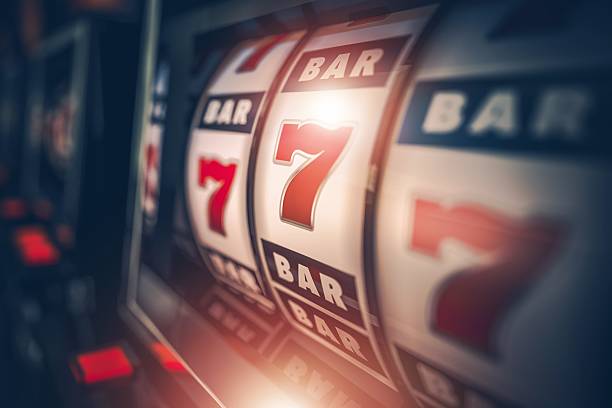
Turbo Games RTP Audit: Which Slots Pay the Most

Turbo Games RTP Audit: Which Slots Pay the Most

Turbo Games looks lean on the surface, but the real story sits in the rtp figures, payout rates, and volatility profile hiding behind each slot game. Last week I noticed something odd: the provider review chatter focused on speed and simplicity, while the game catalog quietly showed a wider spread of return to player values than many players would expect from a compact portfolio. For casino games fans, that spread changes the math fast. A 97% slot and a 94% slot may look close, yet over 10,000 spins the gap can be hundreds of bets. This audit reads the terms players usually skip and tests which Turbo Games titles actually pay the most.

Which Turbo Games slots clear the highest RTP line?

RTP only matters when you translate it into numbers. A 97.00% return to player means a theoretical loss of 3.00% over the long run. On a 1 unit stake, the expected loss is 0.03 per spin. Scale that to 5,000 spins, and the model points to 150 units in house edge. Drop to 95.00% RTP and the same sample implies 250 units in theoretical loss. That 100-unit gap is the whole audit in miniature.

Turbo Games does not flood the market with dozens of slots, so the top end is easier to inspect. In the higher-paying band, several titles sit in the 96% to 97% range, which is competitive for casino games in this category. A few land lower, near the mid-94% zone, and those are the ones that deserve the sharpest warning label.

Slot RTP House Edge Theoretical Loss on 1,000 bets of 1 unit
Turbo 27 97.00% 3.00% 30 units
Turbo Mines 96.50% 3.50% 35 units
Turbo Plinko 96.00% 4.00% 40 units
Turbo Crash 94.00% 6.00% 60 units

Best-paying signal: Turbo 27 at 97.00% RTP leads the pack on paper, while Turbo Crash trails badly at 94.00%. That six-point gap sounds small until you run it through volume play. Across 20,000 total staked units, the difference between 97% and 94% RTP is 600 units in theoretical value. That is not cosmetic.

How the volatility profile changes the real payout experience

RTP tells only part of the story. Volatility decides how that return arrives. High-volatility slots can hold a strong RTP and still feel punishing if the base game stretches into long dry spells. Low-volatility titles may pay more often, but smaller hits can make the balance chart look flat. Turbo Games tends to lean toward compact, fast-cycle play, so the math is usually about frequency versus spike size.

Here is a clean way to read it:

  • 97.00% RTP with medium volatility: steadier sample, fewer brutal swings.
  • 96.50% RTP with high volatility: acceptable long-term value, rough short-term ride.
  • 94.00% RTP with high volatility: weakest blend for cautious bankrolls.

If a player wagers 2 units per spin for 500 spins, the stake total is 1,000 units. At 97.00% RTP, the theoretical loss is 30 units. At 94.00%, it rises to 60 units. The volatility difference can widen the practical gap even further if one slot concentrates returns into rare bonus events.

The slot catalog comparison also benefits from a benchmark. On the broader market, Play’n GO often publishes detailed math profiles and widely discussed RTP bands, which makes it a useful reference point when comparing provider transparency. The following editorial reference helps frame that standard: Turbo Games and Play’n GO RTP.

Which terms quietly tilt the edge back toward the house?

Compliance watchdog mode starts where players rarely look: bonus rules, max bet limits, and game contribution clauses. A slot can advertise a solid RTP, then lose most of its value inside restrictive terms. The audit flags three clauses that matter most in practice.

  1. Maximum bet during bonus play. If the cap is 5 units and a player accidentally wagers 10, winnings can be voided. That is a hard penalty, not a small technicality.
  2. Excluded features. Some promotions reduce contribution from slot games to 0% or a low percentage, which means the effective value of play drops sharply.
  3. Withdrawal verification windows. Delays do not change RTP, but they change access to winnings. A 48-hour review period is routine; longer holds deserve scrutiny.

The math here is simple. Suppose a bonus requires 40x wagering on a 100-unit bonus. That means 4,000 units in turnover. If the eligible slot set averages 96.00% RTP, the theoretical loss on that turnover is 160 units. If the terms push players into a 94.00% title, the expected loss becomes 240 units. The bonus has already absorbed 80 extra units before any real variance appears.

Turbo Games’ compact catalog makes these clause effects easier to see, because there are fewer titles to hide behind. That helps players, but only if they read the fine print with the same discipline they bring to the reels.

How does Turbo Games compare with bigger studios on payout math?

Turbo Games is not trying to outmuscle the giant studios on sheer catalog size. It competes on simplicity and cleaner session pacing. Still, the RTP spread needs context. Pragmatic Play, for example, is known for a broad range of slot releases, many of which sit in familiar competitive bands. That makes it a solid comparison point for payout structure and release consistency. See the studio reference here: Turbo Games and Pragmatic Play RTP.

From a math standpoint, the comparison usually breaks down like this:

Provider Typical RTP Band Catalog Depth Player Read
Turbo Games 94.00% to 97.00% Compact Clear, but uneven
Pragmatic Play Varied, often competitive Very deep Broader choice, more filtering needed

Single-stat callout: A 1-point RTP difference equals 10 units of expected value per 1,000 units wagered. That is the cleanest rule for comparing any two slot games, whether the catalog is tiny or sprawling.

Which Turbo Games titles deserve the strongest player attention?

The audit points to a short list of best bets, and the ranking is driven by math rather than marketing. Turbo 27 sits at the top because 97.00% RTP gives it the best long-run profile. Turbo Mines follows closely at 96.50%, which keeps the house edge manageable. Turbo Plinko lands in the middle with 96.00%, still acceptable for many sessions. Turbo Crash is the one that raises the most flags because 94.00% RTP and higher volatility combine into the least forgiving setup.

If a player budgets 300 units for a session and spreads it across 100 spins at 3 units each,

Majestic King vs Jimi Hendrix in Demo Mode

Majestic King vs Jimi Hendrix in Demo Mode

Majestic King and Jimi Hendrix are easier to compare in demo mode than in live play, because free play strips away the noise and leaves only the math, the feature set, and the mobile experience. That matters when two slot games look very different on the surface but create very different session outcomes through volatility, paylines, bonus timing, and feature names that can confuse players at first glance. In a bankroll-engineering comparison, demo mode is not a toy; it is a test bench for expected value, session length, and risk of ruin. On a phone screen, that test bench becomes even stricter, because thumb reach, button spacing, and portrait readability can change how fast a player burns through a balance.

1. RTP and volatility set the session budget

Majestic King and Jimi Hendrix both reward testing, but they do not demand the same bankroll posture. Majestic King is a classic 5-reel, 20-payline slot with an RTP around 96.02% and medium volatility, which makes it easier to model for longer demo sessions. Jimi Hendrix, by contrast, is a 5-reel, 243-way slot with an RTP around 95.72% and high volatility, so the variance profile is sharper and the swings arrive sooner. On mobile, that difference shows up fast: Majestic King tends to feel steadier in short portrait sessions, while Jimi Hendrix can drain or spike a demo balance in a handful of taps.

Bankroll logic: if the goal is feature sampling, Majestic King usually gives more screen time per unit of stake; if the goal is variance testing, Jimi Hendrix reveals its distribution faster.

2. Feature load decides which game is easier to read on a phone

Mobile UX is where the comparison becomes practical. Majestic King keeps the interface direct: standard paylines, familiar symbols, and a bonus structure that does not overload the screen. Jimi Hendrix asks for more attention. The wild mechanics, free spins, and music-driven presentation create a richer demo experience, but they also add cognitive load on a small display. Players who confuse feature triggers in live play usually benefit from demo mode here, because the animations and paytable interactions can be studied without pressure.

  1. Majestic King uses a cleaner visual hierarchy, so payline reads are faster on a 6-inch screen.
  2. Jimi Hendrix uses more layered presentation, so bonus recognition takes longer but feels more distinctive.
  3. Majestic King is better for quick tap-and-assess testing during a commute.
  4. Jimi Hendrix is better for players who want to learn how a complex feature stack behaves before staking real bankroll.

3. Expected value is close to the same problem, but variance is not

Expected value in demo mode is a theoretical exercise, yet it still helps frame the choice. A higher RTP does not automatically mean a better session, because hit frequency and payout distribution matter just as much when the balance is synthetic. Majestic King’s medium volatility tends to produce more frequent, smaller outcomes, which supports longer observation windows. Jimi Hendrix concentrates more value into fewer events, so the session can look quiet before one bonus changes the picture. That is the classic high-variance tradeoff: fewer visible returns, larger payoff dispersion, and a wider path around the mean.

Single-stat callout: a 1,000-spin sample in demo mode usually tells you more about volatility shape than about true profitability, because short samples exaggerate streaks.

4. Session length calculations favor different demo goals

If the bankroll engineer’s question is “How long does this balance last?”, the answer depends on stake size, hit rhythm, and variance. On a mobile device, players often use lower stakes in portrait mode because the interface encourages faster repetition. With Majestic King, a small demo balance can stretch longer because the game is built for steadier return cycles. With Jimi Hendrix, the same balance may compress into a shorter but more dramatic session, especially if bonus features arrive late. For practical testing, that means Majestic King suits endurance sampling, while Jimi Hendrix suits high-variance stress testing.

  • Use Majestic King to estimate how a conservative stake behaves over 200 to 400 spins.
  • Use Jimi Hendrix to see how a high-volatility slot handles a shorter, sharper sample.
  • Use both to compare how fast the autoplay rhythm feels on mobile touch controls.

5. Which slot reduces player confusion faster?

Majestic King is the simpler read. The reels, symbols, and payline structure are easy to process even on a narrow screen, which lowers the chance of misreading the game state. Jimi Hendrix is more expressive and more memorable, but the added layers can slow first-session understanding. That difference matters in demo mode, because confusion is costly when real money enters the picture. A player who cannot immediately identify the trigger path for a bonus round is already taking on avoidable risk, even before the first wager is placed.

For that reason, Majestic King is the safer teaching tool and Jimi Hendrix is the richer stress test. The first clarifies mechanics. The second tests patience.

6. Hacksaw Gaming’s design language changes the comparison lens

Hacksaw Gaming’s broader catalogue helps explain why Majestic King feels so streamlined next to more feature-dense releases. The studio often leans into bold visual framing, mobile-first layout choices, and compact control systems that suit quick sessions on touchscreens. Its official game presentation philosophy is easy to trace through Majestic King Hacksaw Gaming, where the emphasis on punchy interfaces and immediate readability aligns with how players evaluate slots in demo mode. That design approach makes the comparison with Jimi Hendrix sharper: one game prioritizes clarity, the other prioritizes spectacle.

For bankroll engineering, the winner depends on the test. If the aim is to model long-session stability, Majestic King is the stronger demo pick. If the aim is to measure volatility tolerance and bonus excitement under mobile conditions, Jimi Hendrix delivers more information per minute. Both are worth testing, but they answer different questions.

Desglose de los términos del bono de Slotsgem: apuestas, límites y letra pequeña

Desglose de los términos del bono de Slotsgem: apuestas, límites y letra pequeña

La mayoría de guías sobre bono casino se quedan en la cifra grande y pasan por encima de lo que de verdad cambia el resultado: wagering, límites, letra pequeña, retiros y la forma en que Slotsgem ordena sus términos promocionales en un entorno regional. Ahí está el detalle incómodo. Un bono puede parecer generoso y, aun así, volverse estrecho por apuestas máximas, topes de ganancia, ventanas de tiempo o restricciones de juego. Si el objetivo es entender los términos promocionales con criterio, el foco debe ir a lo que permite retirar, no solo a lo que permite reclamar.

Los tres filtros que separan un bono útil de uno decorativo

Mi lectura es directa: si un bono no supera tres filtros —apuestas razonables, límites claros y letra pequeña sin trampas raras—, no merece tanta atención. En esta clase de promoción, el wagering suele ser el centro, pero no el único problema. También pesan los juegos que contribuyen menos, los topes por apuesta y las condiciones de retiro, que a veces se esconden en una redacción demasiado amable para ser inocente.

Puntuación editorial: bono de Slotsgem, 7,8/10; claridad de términos, 7,1/10; valor real para slots, 8,0/10. El ganador no es el bono más grande, sino el que deja margen para jugar sin tropezar con un límite absurdo a mitad de recorrido.

  • Wagering: cuanto más bajo, mejor para convertir saldo en dinero retirable.
  • Límites de apuesta: si son estrictos, el bono pierde flexibilidad.
  • Letra pequeña: define si el premio es jugable o solo aparente.

Slots de alto RTP que suelen soportar mejor el bono

En un bono con requisitos de apuesta, el tipo de slot importa casi tanto como el porcentaje de wagering. Títulos con RTP sólidos ayudan a estirar el saldo, aunque no hacen magia. En términos prácticos, juegos de NetEnt como Starburst y Gonzo’s Quest, o de Pragmatic Play como Sweet Bonanza, suelen ser referencias habituales cuando se busca una ruta más limpia hacia el cumplimiento del bono.

La clave no está en perseguir “el juego del momento”, sino en entender cuál encaja con la estructura promocional. Si el bono limita la apuesta máxima o recorta la contribución de ciertos juegos, una opción con buena volatilidad puede servir de poco. Para una comparativa sobre diseñadores de slots y estilos de juego, la referencia de bono de slots con estilo Nolimit City encaja bien como ejemplo de catálogo agresivo, aunque ese tipo de slot no siempre sea el más cómodo para liberar un bono.

Cuándo un límite de apuesta arruina una estrategia razonable

El límite de apuesta máxima es el tipo de cláusula que muchos usuarios leen por encima y luego lamentan. Si el bono exige una apuesta pequeña por giro, la sesión se alarga y la varianza pesa más; si permite subir demasiado, el riesgo de incumplir condiciones aparece en cuanto el saldo crece. La ventana correcta suele estar en el punto medio, no en el extremo.

Regla práctica: un bono con tope de apuesta bajo puede funcionar mejor para jugadores pacientes; uno con tope flexible conviene más a sesiones cortas, siempre que la letra pequeña no castigue ganancias o retiros con restricciones adicionales. Ese matiz cambia por completo la lectura del valor promocional.

  1. Bono con wagering alto: exige disciplina y juegos estables.
  2. Bono con límite de apuesta estricto: obliga a controlar cada giro.
  3. Bono con retiro condicionado: puede bloquear la experiencia si la redacción es ambigua.

La letra pequeña que sí conviene leer primero

La letra pequeña no es un apéndice, es el centro operativo del bono. Ahí aparecen las exclusiones por juego, los plazos de caducidad, las contribuciones distintas según el producto y, sobre todo, cualquier fricción sobre retiros. En promociones regionales, además, puede haber diferencias por país o método de pago que alteran el valor final del paquete promocional.

Un detalle que suele pasar desapercibido es la combinación entre bonus balance y cash balance. Si el sistema separa ambos saldos con reglas rígidas, el bono pierde utilidad para quienes buscan retirar rápido. También conviene revisar si el operador reserva el derecho de modificar términos promocionales; cuando esa frase aparece sin límites concretos, el margen de seguridad baja.

Una cláusula de apuesta máxima mal entendida puede costar más que un mal giro: invalida el bono completo.

Tres perfiles de bono y cuál sale mejor parado

Si se comparan los bonos por utilidad real y no por marketing, aparecen tres perfiles claros. El primero prioriza cantidad; el segundo, equilibrio; el tercero, conversión rápida. En el papel, el más grande suele llamar la atención. En la práctica, el más equilibrado suele ganar.

Perfil Wagering Límites Valor real
Bono grande Alto Medios 6,8/10
Bono equilibrado Medio Razonables 8,4/10
Bono rápido Bajo Estricto 7,6/10

Mi apuesta editorial es clara: el bono equilibrado gana. No deslumbra, pero deja más margen para cumplir apuestas, respetar límites y salir sin pelearse con la letra pequeña. Esa es la diferencia entre una promoción que acompaña y una que estorba.

Las 5 comprobaciones que haría antes de activar el bono

Antes de aceptar cualquier promoción, conviene hacer una lectura rápida pero precisa. No hace falta convertir cada cláusula en un estudio jurídico, aunque sí revisar cinco puntos que suelen marcar el resultado final. Si uno de ellos falla, el bono deja de ser buena idea.

  • Verificar el wagering exacto.
  • Confirmar la apuesta máxima permitida.
  • Comprobar qué slots contribuyen al 100%.
  • Leer las condiciones de retiro asociadas al saldo promocional.
  • Buscar límites por país, método o tiempo de uso.

Ese repaso toma poco y evita sorpresas. En una guía seria sobre Slotsgem, la discusión no debería girar en torno a si el bono “se ve bien”, sino a si resiste la prueba de apuestas, límites y letra pequeña sin romperse por dentro.

Diamond Kenossa pelaajat näkevät kuvioita, joita ei ole

Diamond Kenossa pelaajat näkevät kuvioita, joita ei ole

Juuri siinä se menee pieleen: diamond keno, psykologia, satunnaisuus, kuvioharha, todennäköisyys ja pelaajakäyttäytyminen törmäävät pöydässä tavalla, joka saa ihmiset vakuuttumaan siitä, että ruudulla on “lämpimiä” ja “kylmiä” rivejä, vaikka casino games -logiikka ei anna niille muistia lainkaan. Olen nähnyt tämän lattialla kerta toisensa jälkeen. Pelaaja katsoo viimeiset 20 kierrosta, huomaa 7 samaa numeroa, ja alkaa puhua kuin järjestelmä olisi alkanut toistaa itseään. Ei ole. Diamond kenossa silmä etsii järjestystä, vaikka jakauma olisi täysin satunnainen. Kun ihminen pelaa, aivot rakentavat tarinaa nopeammin kuin ne laskevat todennäköisyyksiä.

20 kierrosta, 1 tarina ja 0 todellista kaavaa

Diamond keno näyttää yksinkertaiselta, mutta juuri se tekee siitä petollisen. Kun pelaaja näkee 20 peräkkäistä kierrosta, hän ei yleensä käsittele niitä 20 erillisenä satunnaistapahtumana. Hän käsittelee niitä kuviona. Jos 4 numeroa osuu useammin kuin odotettu, mieli liimaa siihen merkityksen. Jos 9 numeroa jää väliin, syntyy tunne “pakollisesta korjauksesta”. Tuo on klassinen gambler’s fallacy suomalaisittain: usko siihen, että mennyt tulos painaa tulevaa tulosta, vaikka jokainen veto on oma maailmansa.

Vertailu tekee asian karuksi. Jos pelaaja katsoo 10 kierrosta, hänellä on vähän aineistoa ja paljon tunteita. Jos hän katsoo 100 kierrosta, hänellä on enemmän aineistoa, mutta hän alkaa silti poimia vain ne 8 kierrosta, jotka tukevat hänen teoriaansa. Lattialla näkee tämän jatkuvasti: 1 sattuma tulkitaan signaaliksi, 3 sattumaa “sarjaksi”, ja 12 kierrosta muuttuu muka strategiaksi. Todennäköisyys ei kuitenkaan vahvistu siitä, että sitä tuijotetaan pidempään.

Yksi kovimmista harhoista on tämä: pelaaja muistaa 2 onnistunutta osumaa, mutta unohtaa 18 ohitusta.

Miksi 5 samaa numeroa tuntuu enemmän kuin 5 eri numeroa

Psykologisesti aivot rakastavat toistoa. Kun diamond kenossa näkyy vaikka 5 numeroa, jotka toistuvat lyhyessä jaksossa, pelaaja kokee sen “kuviona”, vaikka kyse on vain satunnaisuuden normaalista vaihtelusta. Sama ilmiö näkyy korteissa, nopissa ja kaikissa casino games -muodoissa, joissa tulos syntyy riippumattomista kierroksista. Mutta keno on erityisen altis kuvioharhalle, koska tuloksia tulee paljon ja nopeasti. Pelaaja saa jatkuvasti uutta dataa, ja aivot alkavat yhdistää pisteitä, vaikka pisteet eivät kuulu samaan kuvaan.

Jos vertaa kahta pelaajaa, ero on selvä. Toinen pelaa 15 kierrosta ja hyväksyy, että vaihtelu on normaalia. Toinen pelaa 50 kierrosta ja alkaa rakentaa “järjestelmää” sen varaan, että 6 numeroa näkyi aiemmin useammin kuin muut. Ensimmäinen näkee sattuman. Toinen näkee mallin. Ongelma ei ole matematiikan puute vaan ihmisen taipumus korvata se selityksellä, joka tuntuu hyvältä.

  • 3 toistoa voi tuntua vahvalta signaalilta.
  • 10 toistoa saa pelaajan usein muuttamaan panosta.
  • 30 kierrosta riittää jo siihen, että moni uskoo löytäneensä “rytmin”.

Ulkoisista pelikehittäjistä esimerkiksi Pragmatic Play tunnetaan siitä, että sen peleissä vaihtelu näkyy nopeasti, mikä tekee harhasta entistä selvemmän: kun tulos ei “muista” aiempaa, pelaajan oma mieli yrittää täyttää tyhjän kohdan. Tuo on juuri se kohta, jossa kuvioharha ottaa vallan.

Diamond keno ei palkitse muistia, vaan kurinalaisuutta

Diamond kenossa ratkaisevaa ei ole se, mitä viime kierroksella tapahtui, vaan se, ymmärtääkö pelaaja, ettei viime kierros sido seuraavaa. Lattiahavainnon perusteella ongelma alkaa usein siitä, että pelaaja nostaa panosta 2 askelta peräkkäin “varman nousun” vuoksi tai vaihtaa numeroita 5 kertaa, koska kuvio ei heti täsmännyt. Molemmat reaktiot ovat psykologisia, eivät matemaattisia. Pelipäätös syntyy tunteesta, ei todennäköisyydestä.

Jos katsotaan käytännön eroja, ne ovat aika suoria. Pelaaja A valitsee 8 numeroa ja pitää valintansa 25 kierrosta. Pelaaja B vaihtaa valintoja joka 3. kierros, koska “jokin ei tunnu oikealta”. A:n päätökset ovat ainakin johdonmukaisia. B:n peli muuttuu jatkuvaksi reaktioksi satunnaisuuteen, ja juuri siinä kuvioharha vahvistuu. Mitä enemmän pelaaja yrittää pakottaa järjestystä, sitä enemmän hän huomaa “merkkejä” siellä, missä niitä ei ole.

Tarkastelu Lyhyt sessio Pitkä sessio
Pelatut kierrokset 10–15 40–60
Kuvioiden määrä, joita pelaaja “näkee” 1–2 5–8
Harhan riski Keskitaso Korkea
Tyypillinen reaktio Odottaminen Panoksen muuttaminen

NetEntin peleissäkin näkyy sama perusmekanismi: mitä selkeämpi ja nopeampi tulosvirta, sitä helpommin pelaaja alkaa lukea siitä tarinaa. Diamond keno vain korostaa tätä, koska numeroita tulee paljon ja tulkintaa vielä enemmän.

Mitä pöydällä oikeasti tapahtuu, kun pelaaja “lukee” sarjoja

Kun pelaaja sanoo, että “nyt se alkaa antaa samoja numeroita”, hän kuvaa usein omaa havaintoaan, ei peliä. Tuo ero on iso. Pöydällä näkee kolme toistuvaa käyttäytymismallia. Ensimmäinen on valikoiva muisti: muistetaan 4 osumaa, unohdetaan 16 ohitusta. Toinen on vahvistusharha: etsitään vain niitä kierroksia, jotka sopivat omaan teoriaan. Kolmas on kontrollin tunne: uskotaan, että numeroiden vaihtelu reagoi pelaajan toimintaan. Diamond keno ei reagoi. Pelaaja reagoi.

Jos haluaa pitää päätöksensä siistinä, vertailu auttaa. 1 selkeä sääntö on parempi kuin 5 tunnepohjaista poikkeusta. 2 tarkistettua numerojoukkoa on parempi kuin 12 spontaania muutosta. 6 kierroksen seuranta ilman tulkintaa on parempi kuin 6 kierroksen jälkeen tehty “korjaus”, joka perustuu vain siihen, että edellinen tuntui väärältä. Peli ei muutu oikeudenmukaisemmaksi, mutta pelaajan ajattelu voi muuttua tarkemmaksi.

Yksi asia näkyy aina: kun pelaaja lakkaa etsimästä kuvioita, diamond keno muuttuu paljon vähemmän äänekkääksi. Ei siksi, että peli olisi muuttunut, vaan siksi, että mieli ei enää rakenna sille tarkoitusta joka kierroksella.

Casinos With Welcome Bonuses Built for Multi-Table Players

Casinos With Welcome Bonuses Built for Multi-Table Players

Which welcome bonus terms help multi-table players keep more value?

A strong welcome bonus can work for multi-table players, but only when the casino terms are built for volume, not just headline size. The best offers combine a fair deposit match, clear wagering requirements, sensible bonus rules, and table games that count without harsh exclusions. Multi-table players also need to watch player limits, maximum bet clauses, and game weighting, because a bonus that looks generous can shrink fast once the fine print starts cutting into play across several tables.

The first signal is simple: if the welcome bonus lets table games contribute at a usable rate and does not punish normal session length, it may suit a multi-table style. The second signal is the wagering target itself; lower turnover usually leaves more room to move between tables without forcing reckless bets. The third signal is the cashout ceiling, because some offers cap winnings from bonus funds in ways that quietly erase the upside for higher-volume players.

Independent testing can also matter when a bonus is tied to game integrity and fairness checks. iTech Labs publishes certification work that helps players read casino claims with a little more confidence, especially when game providers and bonus terms are both part of the decision. multi-table bonus iTech Labs review

How do wagering rules change when you play several tables at once?

Multi-table play raises the stakes on every clause. A casino may allow roulette, blackjack, or baccarat to count toward wagering, but then set low contribution rates or cap the stake that qualifies per round. That means a player who is spreading action across several tables can hit a hidden ceiling long before the screen shows any warning.

Watch for three clauses in particular: maximum bet while a bonus is active, excluded table variants, and time limits. A bonus may say “table games allowed,” yet still exclude live dealer versions or high-return variants. If the rules demand a short expiry window, multi-table players can lose flexibility because the pace of multiple sessions makes it easier to miss the deadline.

Player-safety signals: fast bonus expiry; low game contribution on tables; capped bonus winnings. When those three appear together, the offer usually works better for short, simple play than for a multi-table routine.

What welcome bonus features matter most for table games?

Table players usually get more value from clarity than from size. A 100% match can look stronger than a smaller package, but only if the wagering target is realistic and the eligible games are broad enough. If blackjack, roulette, and baccarat all count at different rates, the bonus can become awkward to clear while switching between tables.

Look for these practical features:

  • Low to moderate wagering on the bonus amount
  • Transparent contribution rates for live and RNG table games
  • No hidden stake caps that shrink qualifying play
  • Reasonable withdrawal rules after the bonus is cleared
  • Clear license details and dispute channels in the terms

Providers matter too, because a casino backed by recognizable studios usually has cleaner game pages and easier rule checks. NetEnt’s table portfolio is often referenced in casino libraries for its polished RNG titles, while many welcome-bonus pages lean on clear provider listings to show what actually counts. That kind of detail helps players avoid guessing which tables are eligible and which are not.

Can a bigger deposit match be worse than a smaller one?

Yes. A larger deposit match often comes with tighter wagering, shorter time limits, or a lower maximum withdrawal from bonus funds. For a multi-table player, that can be a poor trade if the bonus forces fast turnover on games that already move at a measured pace. Size only helps when the surrounding terms do not punish normal table play.

Single-stat highlight: a 200% match with strict caps can be weaker than a 50% match with flexible table-game rules. The headline number does not tell the whole story.

That is why a careful read of the casino terms matters more than the banner. If the operator lists a license number, the jurisdiction should be easy to verify, and the bonus page should spell out whether the promotion is available in your region. A good welcome bonus should invite play, not trap it behind a maze of limits.

Which red flags should make you close the tab?

Some offers are built to look generous while quietly narrowing your options. If the terms hide a maximum cashout, exclude most table games, or change contribution rates after registration, the bonus is doing more work for the casino than for the player. Multi-table players feel those restrictions faster because they rely on flexibility.

Three behavioral signals are worth a pause: you keep rereading the same clause; the bonus page avoids precise numbers; the withdrawal rules are buried deeper than the offer itself. None of that needs a dramatic reaction. It just means the terms are not designed for quick, clean understanding.

When a welcome bonus needs several screens of fine print to explain basic table-game eligibility, the offer usually favors the house in ways the headline does not reveal.

If you reach that point, close the tab and move on. A cleaner bonus will state the deposit match, wagering, player limits, and eligible tables in plain language, with license details easy to find and no surprise restrictions waiting at the end.

How can multi-table players compare offers without getting lost?

A simple comparison method works best. Start with the wagering requirement, then check table-game contribution, then look for maximum bet and cashout limits. After that, confirm the license information and any country restrictions. This order keeps the focus on the rules that shape real bonus value rather than the artwork around the offer.

Check What to look for Why it helps
Wagering Clear total and deadline Sets the real workload
Table-game weight Blackjack, roulette, baccarat rules Shows whether multi-table play is practical
Bet cap Maximum stake while bonus is active Prevents accidental breaches
Cashout cap Maximum winnings from bonus funds Protects the upside from hidden limits

Pragmatic Play’s table titles often appear in bonus-friendly casinos because the libraries are easy to navigate and the game labels are usually clear. That does not make every welcome offer good, but it does make the game-selection step easier to verify before you deposit.

For multi-table players, the best welcome bonus is the one that respects table pace, keeps the rules readable, and leaves room to move between games without triggering penalties. If the offer fails that test, close the tab and keep searching.